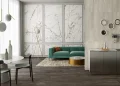
When it comes to creating a visually stunning and inviting space, texture plays a pivotal role in interior design. While color and layout are essential, texture adds depth, interest, and comfort to a room. One of the most effective ways to bring a space to life is through the art of layering textures. By thoughtfully combining different materials, surfaces, and finishes, you can transform your interiors into a dynamic and engaging environment. In this article, we’ll explore how layering textures can elevate your interior design and create a more cohesive and luxurious space.
Understanding Texture in Interior Design
Texture refers to the surface quality of a material—how it looks and feels. It can be smooth or rough, soft or hard, shiny or matte. In interior design, textures can be tactile (something you can physically feel) or visual (something that gives the illusion of texture).
- Tactile Textures: Fabrics, furniture, rugs, and wall finishes all contribute tactile textures to a room. Think of a velvet sofa versus a leather chair—each offers a different sensory experience.
- Visual Textures: Visual texture is about creating the impression of texture through patterns, colors, and finishes. For example, a wallpaper that mimics the look of wood or stone adds texture without actually changing the surface material.

Why Layering Textures is Important
Layering textures is essential for creating a balanced, harmonious interior. Rooms that rely solely on one or two types of textures can feel flat, while well-layered spaces feel rich and inviting. Texture also helps add warmth to minimalistic or modern spaces and brings a sense of luxury to more traditional interiors.
- Adds Depth and Dimension: By layering different textures, you introduce layers of interest that make the space feel more dynamic. A blend of smooth, rough, shiny, and soft textures ensures that a room feels both balanced and engaging.
- Enhances Comfort: Soft textures like plush rugs, throw blankets, and cushioned furniture create a feeling of coziness and warmth. Layering these textures with harder surfaces like metal or wood helps strike a balance between comfort and structure.
- Creates Focal Points: Bold textures, such as a textured wallpaper or a patterned throw, can be used to highlight specific areas in a room, drawing attention to focal points and making the space more visually appealing.
How to Layer Textures Like a Pro
Layering textures may seem daunting, but with a thoughtful approach, you can easily master this design technique. Follow these steps to bring texture into your space without overwhelming it.
Start with a Neutral Base
A neutral color palette creates the perfect backdrop for layering textures. Soft whites, beiges, and grays provide a canvas that allows various textures to stand out. When the base of a room is neutral, it’s easier to layer contrasting textures without creating a cluttered look.
- Tip: Opt for neutral-toned furniture and walls, and then introduce texture through accents like cushions, rugs, or decorative accessories.
Mix Textures of Different Scales
To create a balanced look, mix textures of different scales. Pair large, bold textures like chunky knit throws or shaggy rugs with smaller, more delicate textures such as silk pillows or velvet chairs. This interplay of scales helps to create depth and keeps the room visually engaging.
- Tip: Avoid using textures of the same scale across all elements. A room full of heavy or large textures can feel overwhelming, while one with only fine textures may feel too subtle.
Play with Contrast
Contrast is key to creating a visually dynamic space. Mixing contrasting textures—such as rough with smooth, soft with hard—can bring a room to life.
- Example: Combine a sleek, glossy coffee table with a textured wool rug underneath. Add in natural elements like woven baskets or wooden accents to complement the contrast and bring a more organic feel.
Use Layering to Highlight Key Features
Use textures to draw attention to specific areas of the room. If you have a statement piece, such as a beautiful fireplace or a large artwork, layering textures around it can enhance its impact.
- Example: Place a textured rug in front of a fireplace, or use a combination of fabrics (such as a leather sofa with soft linen cushions) to frame an eye-catching piece of art.
Don’t Forget Natural Elements
Natural textures like wood, stone, leather, and plants add warmth and character to any interior. These elements work well with both modern and traditional styles and help create a calming, organic atmosphere.
- Tip: Introduce wooden furniture or exposed brick walls for a raw, tactile feel. Adding plants not only introduces a natural texture but also breathes life into the room.
Add Soft Furnishings for Comfort
Soft furnishings like pillows, throws, and rugs are an easy way to introduce multiple textures into your space. Layer them on top of hard surfaces like leather sofas or wooden floors to create a cozy, inviting atmosphere.
- Tip: Mix materials like velvet, cotton, wool, and faux fur to achieve a layered, comfortable look. These elements can also be switched out seasonally to refresh the space without making major changes.